Rainforest Reserve · Wildlife & Nature
Sinharaja Rainforest
Sinharaja is Sri Lanka's last major stretch of primary rainforest and a UNESCO World Heritage Site, rich in rare birds and endemic wildlife.
Overview
About Sinharaja Rainforest
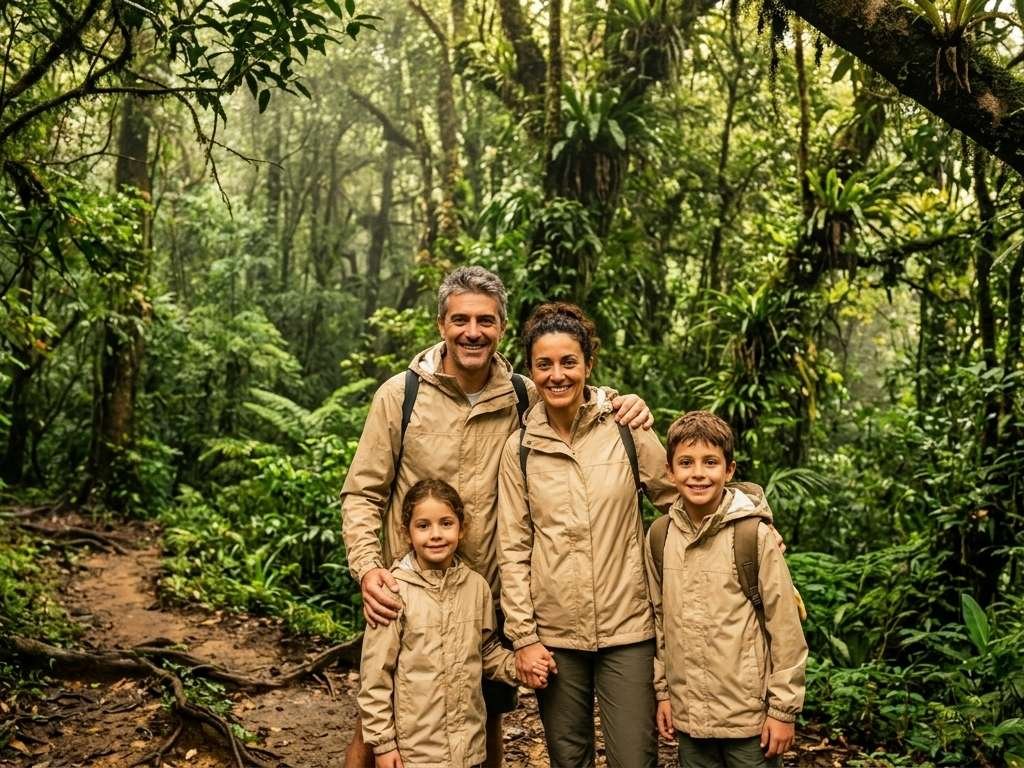
Sinharaja is Sri Lanka's last significant area of untouched lowland rainforest, a UNESCO World Heritage Site spanning the Sabaragamuwa and Southern provinces and sheltering an extraordinary concentration of endemic species. More than half of its trees, and a large share of its birds, mammals, and reptiles, are found nowhere else on earth, drawing birdwatchers in particular for mixed-species feeding flocks that can include a dozen or more endemic birds moving through the canopy together. Trails wind through dense, humid forest past streams and waterfalls, typically explored on foot with a local guide from one of the park's entrance villages.
Why visit Sinharaja Rainforest
- Spot mixed-species flocks of endemic birds
- Walk trails through Sri Lanka's last major lowland rainforest
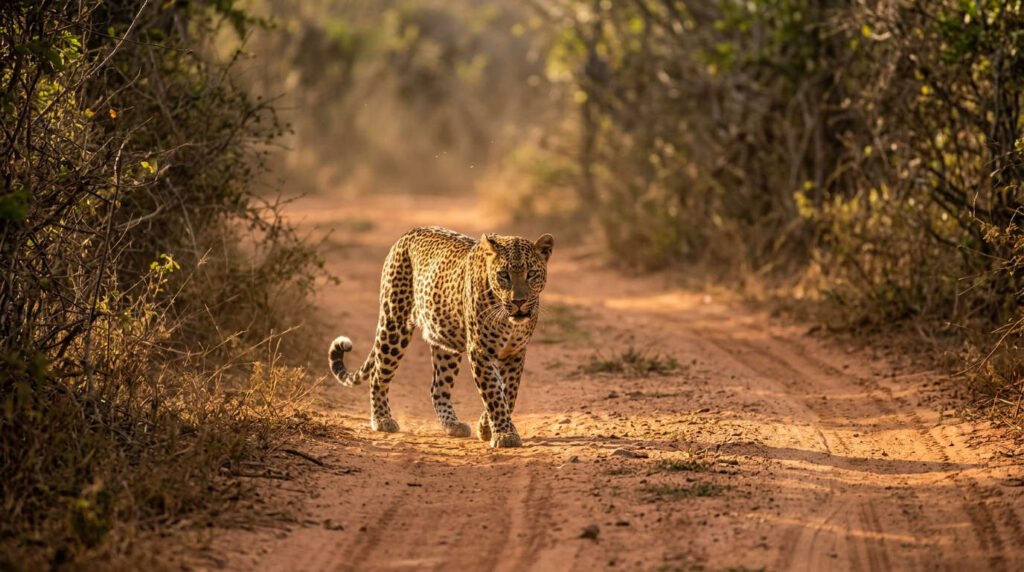
- Look for endemic mammals and reptiles found nowhere else
- Cool off at forest streams and waterfalls along the trails
- Hire a local guide for the best wildlife spotting
- Photograph rare orchids and rainforest flora
Plan your visit
Things to know before you go
Trails through Sinharaja are humid, often muddy, and best walked with a local guide from the Kudawa or Deniyaya entrance, both of whom know the best current spots for birdlife and wildlife. Leeches are common on the forest floor after rain, so leech socks or salt are worth carrying regardless of season. The reserve is best visited in drier spells, from January to March or August to September, since heavy rain can make trails slippery and reduce visibility for birdwatching.
Nearby
Questions
About visiting Sinharaja Rainforest
Do I need a guide to visit Sinharaja?
Yes, a local guide is required at the entrance and strongly recommended for finding wildlife, especially the mixed-species bird flocks the reserve is known for.
Are there leeches in Sinharaja?
Yes, especially after rain, leech socks or a bit of salt are worth carrying, though they're a minor nuisance rather than a real hazard.
How long is a typical Sinharaja hike?
Most guided walks run three to five hours, depending on the trail and how much time is spent looking for birds and wildlife.
What makes Sinharaja special?
It's Sri Lanka's last major area of untouched lowland rainforest, with an unusually high concentration of endemic species found nowhere else on earth.
Includes Sinharaja Rainforest
Tours that visit Sinharaja Rainforest
Keep exploring
More in Wildlife & Nature
See Sinharaja Rainforest the easy way
One driver, your own vehicle, and a route built around you.