

Beach & Harbour Town · Beaches & Coast
Trincomalee
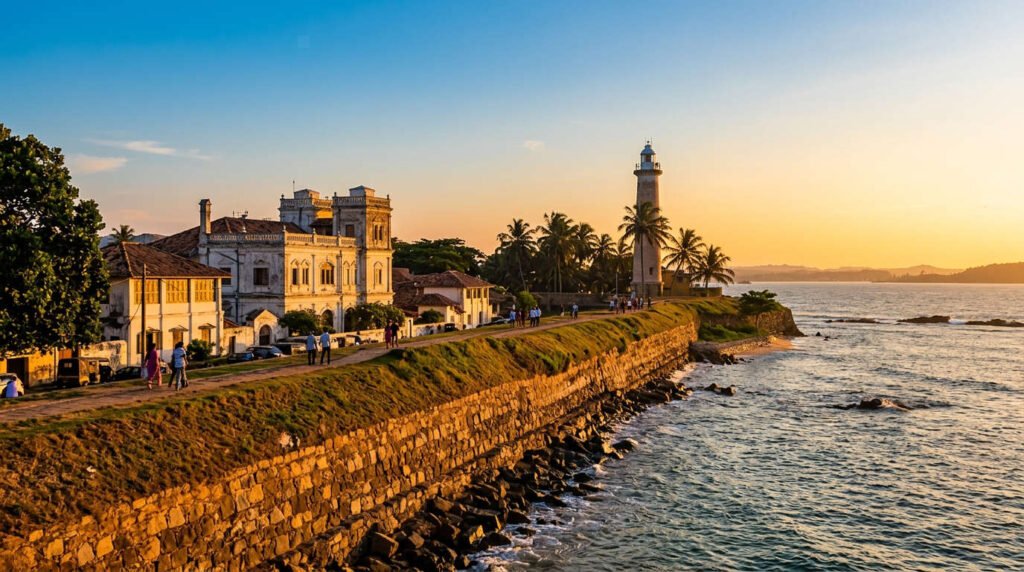
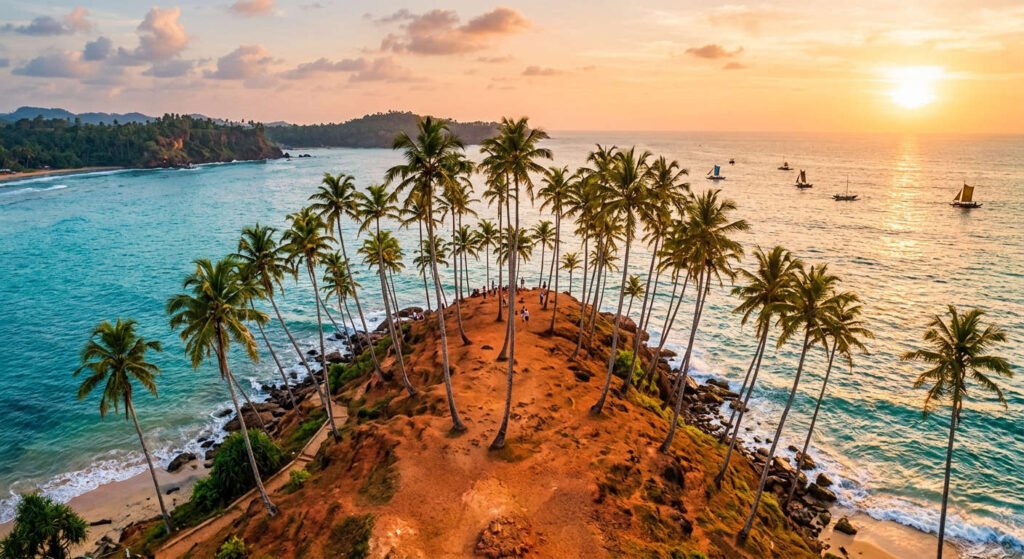
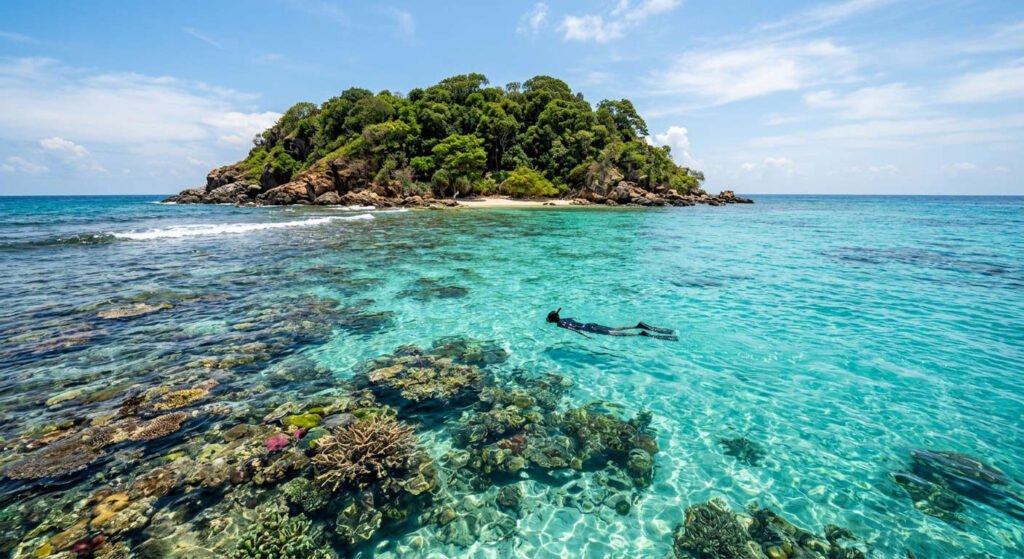
Trincomalee sits on the northeast coast around one of the world's finest natural harbours, with pristine beaches and snorkelling nearby.
Overview
About Trincomalee
Trincomalee sits on Sri Lanka's northeast coast around one of the world's finest natural deep-water harbours, a strategic port fought over by Portuguese, Dutch, and British colonial powers and today better known for its unspoiled beaches and clear diving waters. Nilaveli and Uppuveli, the twin beaches just north of town, offer calmer, less-visited stretches of sand than the south coast, backed by turquoise water that's ideal for snorkelling and diving around Pigeon Island's coral reefs. The dry season here runs opposite to the rest of the island, making Trincomalee a smart choice when the south and west coasts are at their wettest.
Why visit Trincomalee
- Snorkel the coral reefs of Pigeon Island National Park
- Relax on the quiet sands of Nilaveli and Uppuveli beaches
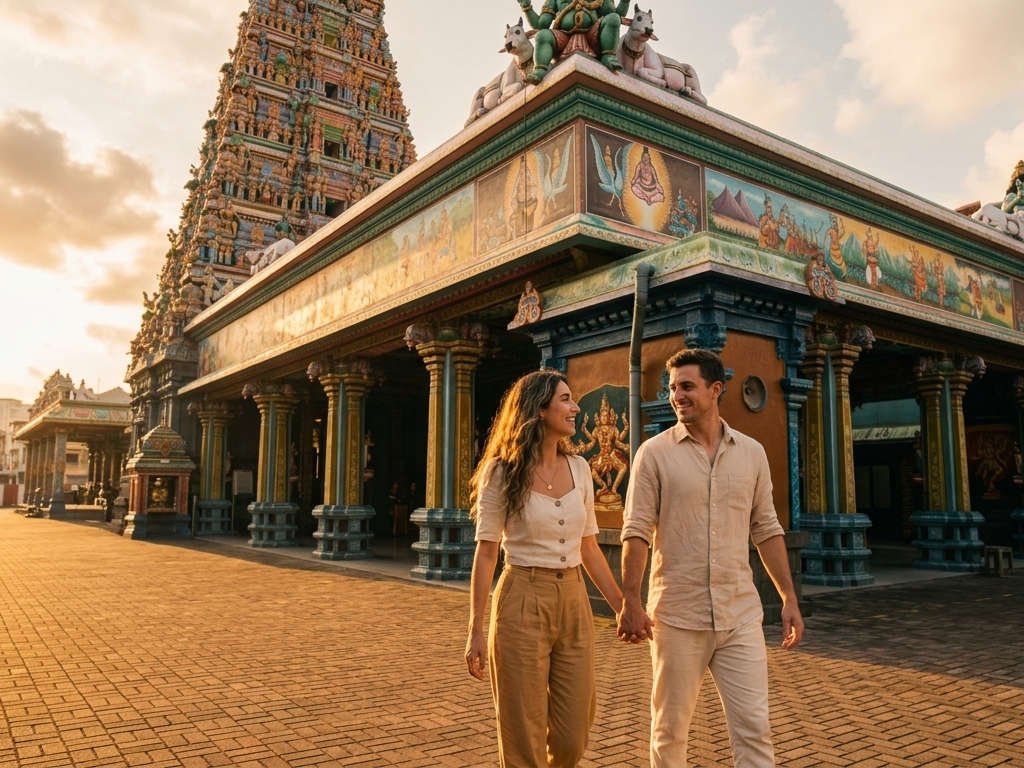
- Visit the clifftop Koneswaram Temple at Fort Frederick
- Dive wrecks and reefs in clear northeast coast waters
- Spot blue whales offshore between May and October
- Explore Trincomalee's natural deep-water harbour
Plan your visit
Things to know before you go
Trincomalee's dry season runs from May to October, the opposite of Sri Lanka's south and west coasts, which makes it a good rainy-season alternative or year-round complement to a south-coast beach stay. Pigeon Island is best visited by boat from Nilaveli in the morning, when the water is calmest and clearest for snorkelling; a mask and fins can be rented locally if you don't bring your own. Koneswaram Temple at Fort Frederick is an active place of worship, so modest dress is expected when visiting.
Nearby
Questions
About visiting Trincomalee
When is the best time to visit Trincomalee?
May to October is the dry season on the northeast coast, opposite the rest of the island, making it a good choice while the south and west coasts are wetter.
How do I get to Pigeon Island?
Small boats depart regularly from Nilaveli beach for the short crossing; morning visits generally offer calmer water and better visibility for snorkelling.
Can I see whales in Trincomalee?
Yes, blue whales and sperm whales are sometimes spotted offshore between May and October, though sightings are less predictable than in Mirissa.
Is Trincomalee good for diving?
Yes, the area has several wreck and reef dive sites with clear water, and a handful of dive operators in Nilaveli and Uppuveli offer courses and trips.
Includes Trincomalee
Tours that visit Trincomalee
Keep exploring
More in Beaches & Coast
See Trincomalee the easy way
One driver, your own vehicle, and a route built around you.