

National Park · Wildlife & Nature
Wilpattu National Park
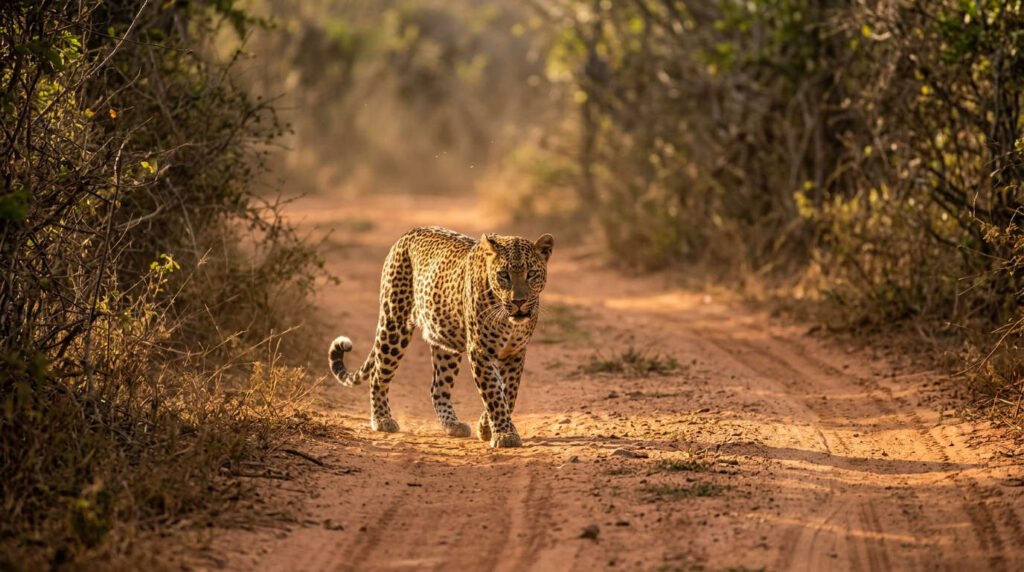
Wilpattu is Sri Lanka's largest national park, known for its natural sand-rimmed lakes ('villus') and healthy population of leopards.
Overview
About Wilpattu National Park
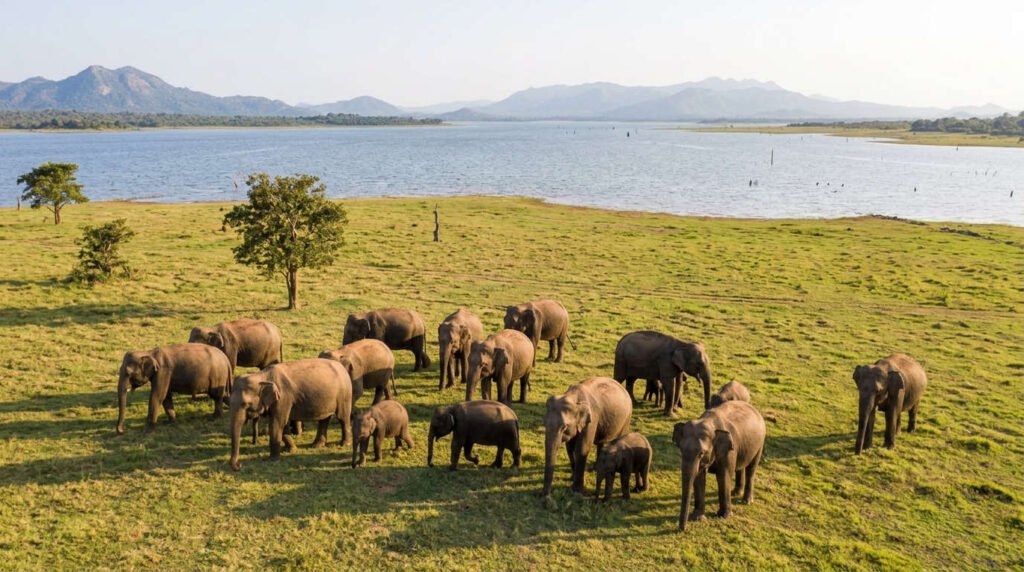
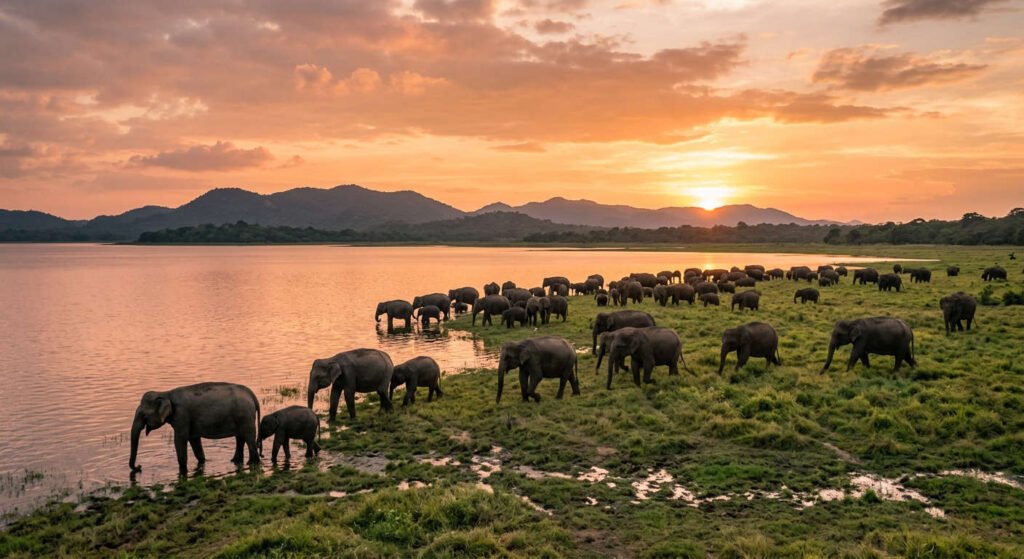
Wilpattu is Sri Lanka's largest national park, spread across the Puttalam and Anuradhapura Districts in the island's northwest and named for the natural sand-rimmed lakes, or 'villus', scattered throughout its dry-zone forest. Reopened in 2010 after decades of closure during the civil conflict, it has since become one of the best parks in Sri Lanka for leopard sightings, with a lower-key, less crowded safari experience than Yala thanks to its size and more limited visitor numbers. Sloth bears, elephants, and abundant birdlife round out a park that rewards patience over guaranteed sightings.
Why visit Wilpattu National Park
- Track leopards across Sri Lanka's largest national park
- Explore the park's distinctive villu lakes
- Spot sloth bears and elephants in dry-zone forest
- Enjoy a quieter safari with far fewer jeeps than Yala
- Bird-watch across a wide range of dry-zone species
- Take a full-day safari to reach the park's less-visited interior
Plan your visit
Things to know before you go
Wilpattu is considerably larger and less crowded than Yala, which means longer drives between sightings but a noticeably quieter, more immersive safari experience with far fewer other vehicles. Its size makes a full-day safari worthwhile if time allows, covering more ground and villu lakes than a shorter morning or afternoon drive. The dry season from May to September generally offers the best wildlife visibility, as animals concentrate around the remaining water sources.
Nearby
Questions
About visiting Wilpattu National Park
Is Wilpattu better than Yala for leopards?
Wilpattu offers excellent leopard sightings with far fewer jeeps than Yala, though Yala's Block I still has a higher reported leopard density overall.
How big is Wilpattu National Park?
It's Sri Lanka's largest national park, considerably bigger than Yala, which means safaris often cover more ground with longer drives between sightings.
What are the 'villus' of Wilpattu?
Natural, shallow, sand-rimmed lakes scattered through the park's forest, which give Wilpattu its name and attract much of its wildlife.
When did Wilpattu reopen to visitors?
It reopened in 2010 after being closed for years during the civil conflict, and has since built a strong reputation for leopard sightings.
Includes Wilpattu National Park
Tours that visit Wilpattu National Park


Keep exploring
More in Wildlife & Nature
See Wilpattu National Park the easy way
One driver, your own vehicle, and a route built around you.